
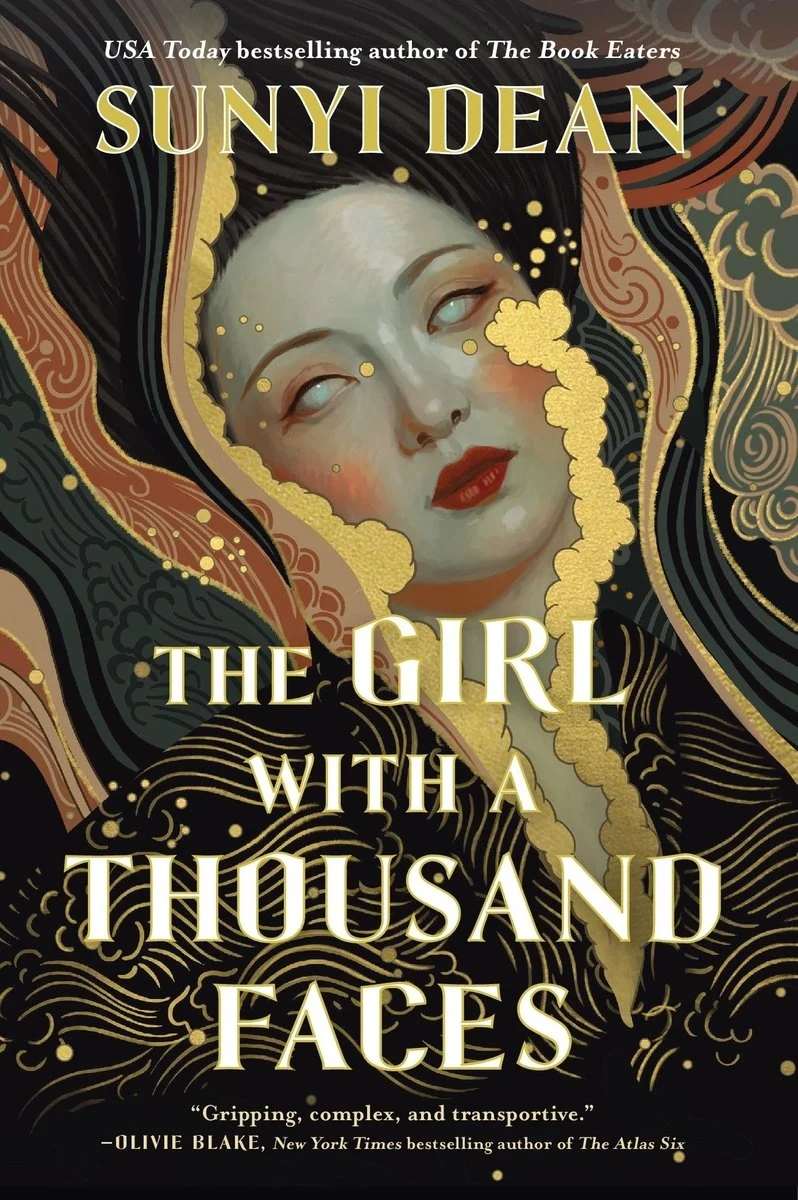


Synopsis
When Mercy Chan washes up on the shores of Hong Kong with no family, no money, and no memories, the only refuge she finds is the infamous, ghost-infested slum of Kowloon Walled City. Since then, she has rebuilt her life, working for the local triad as a ghost talker and dealing with the angry and bitter spirits who haunt the district. The filthy gutters and cramped alleyways of Kowloon have become her home.
But the past Mercy can’t remember isn’t done with her. An unusually powerful ghost has infested Kowloon’s waterways, drowning innocents and threatening the district. It claims to know Mercy—and secrets from her past that are best left forgotten.
As Mercy is drawn into a deadly cat-and-mouse game with this malignant spirit, she begins to realize that the monster she fights within these walls may well be one of her own making.
Review
“Do you like ghost stories, little sister? Sit down, get comfortable. You haven’t heard this one before.”
I loved this book. It was a very cathartic reading experience. I went in blind and thoroughly enjoyed it. It was like what if Fredrik Backman wrote a dark urban fantasy or historical fantasy. I say Fredrik Backman because this book deals with a lot of his usual characteristics- unspoken trauma, the impact of loss, social isolation, forgiveness, rebuilding trust, etc.
“How easily she kindles anger in you; how swiftly she stings and lashes out. Only family can hurt family in that way.”
It is one of the most unique books I have read both in terms of the setting and the structure. The story revolves around two lonely women from two different areas and two different timelines and most of the story happens in ghost infected Hong Kong. One of them is a middle-aged ghost-talker that works for a notorious mafia boss and the other woman is seeking vengeance for all the injustice that has been done to her. All three different grammatical voices are used at different points of the story, and even the narrative voice switches from limited to omniscient and even switches between guided and invisible at times within the omniscient parts- but it is all executed very well. The story flows seamlessly and at no point was I confused by the plot points or which character’s head I was in. There is a specific reason the story is written this way as well.
“If each person only corrects the crimes that they have committed themselves, then the world will be full of pain, because evil men do not care about injustice, and so never correct their own.”
As I observed these characters from within their own head and from the outside and through different lenses, I went from one end of the feelings spectrum to the other extreme- all for the same character. It is very emphatic writing and the payoff is extremely worthwhile. This deliberate head-hopping to view different perspectives of the same event is important for the story this book is trying to tell and the place it is trying to take its characters and the readers to at the end. It also takes exceptionally strong writing by the author to present this story with as much clarity and accessibility that it has. I was hooked and went through 70% of the book in one day.
I cannot conclude this review without mentioning that while this book primarily is kind of a character study across two women dealing with internal trauma and grief, it is also a staunchly anti-war book. We learn some of the culture and life of Hong Kong in the 70s but also how China and Hong Kong were affected by the second world war, the Japanese occupation, the plight of refugees at that time, and how war leaves scars that do not go away even after decades of time.


Leave a Reply