

My new Fungalverse standalone novel A Murder Most Fungal is out in just a few weeks, and I can’t wait for everyone to dive into this fast-paced story full of food, fungi, gangsters, blackmail, and (of course) murder. This book traces its roots back to so many different mediums, from Hong Kong action cinema and Pixar films, to food shows and documentaries. So, to give all of you a better sense of how A Murder Most Fungal came to be, I’ve compiled a list of the five biggest media inspirations for its story, world, and characters. Scroll down to check out the full list before the book launches on June 16th!
This listicle is part of the A Murder Most Fungal virtual book tour. Check out the full tour here, and head over to Grimdark Magazine to read the entirety of chapter 1!

🍄 BOOK INFORMATION 🍣
Title: A Murder Most Fungal: A Fungalverse Novel
Series: The Hofmann Report #1.5
Author: Adrian M. Gibson
Cover Artist: Katerina Belikova (Instagram)
Typography/Cover Design: Adrian M. Gibson
Genres: Science Fiction / Fantasy / Urban Fantasy / New Weird / Fungalpunk / Crime Thriller
Release Date: June 16, 2026
Available formats: Hardcover, paperback & eBook
🍄 PREORDER LINKS 🍣
Preorder A Murder Most Fungal in eBook
Preorder A Murder Most Fungal numbered/signed hardcovers
Preorder The Hofmann Report 2-book bundle
🍄 BOOK BLURB 🍣
Return to the mushroom metropolis of Neo Kinoko, and immerse yourself in a sinister world of gangsters, blackmail, and fungal cuisine.
The knives are out in this fast-paced, standalone Fungalverse novel. Set several months after the events of the award-winning Mushroom Blues, this side story combines the culinary wonder of Jiro Dreams of Sushi, the kitchen chaos of The Bear, and the explosive tension of Hong Kong crime thrillers.
In the aftermath of the “Fuyu Massacre,” riots and whispers of revolution continue to plague the Hōpponese capital of Neo Kinoko. As a result, the iron grip of a foreign military occupation tightens day by day. Amidst this, Pocho Jiro, a once-renowned makizushi chef, has chosen to cook for Duncan MacArthur—the Coprinian Military Governor in Hōppon—as his personal chef… and indentured servant.
A run-in with dangerous fungal gangsters sets off a chain of events that Pocho cannot escape from. He’s left with two choices: Assassinate MacArthur, or watch his beloved sister die in front of his eyes. Will Pocho take up his knife and prepare MacArthur’s final meal?
🍄 FIVE INSPIRATIONS 🍣
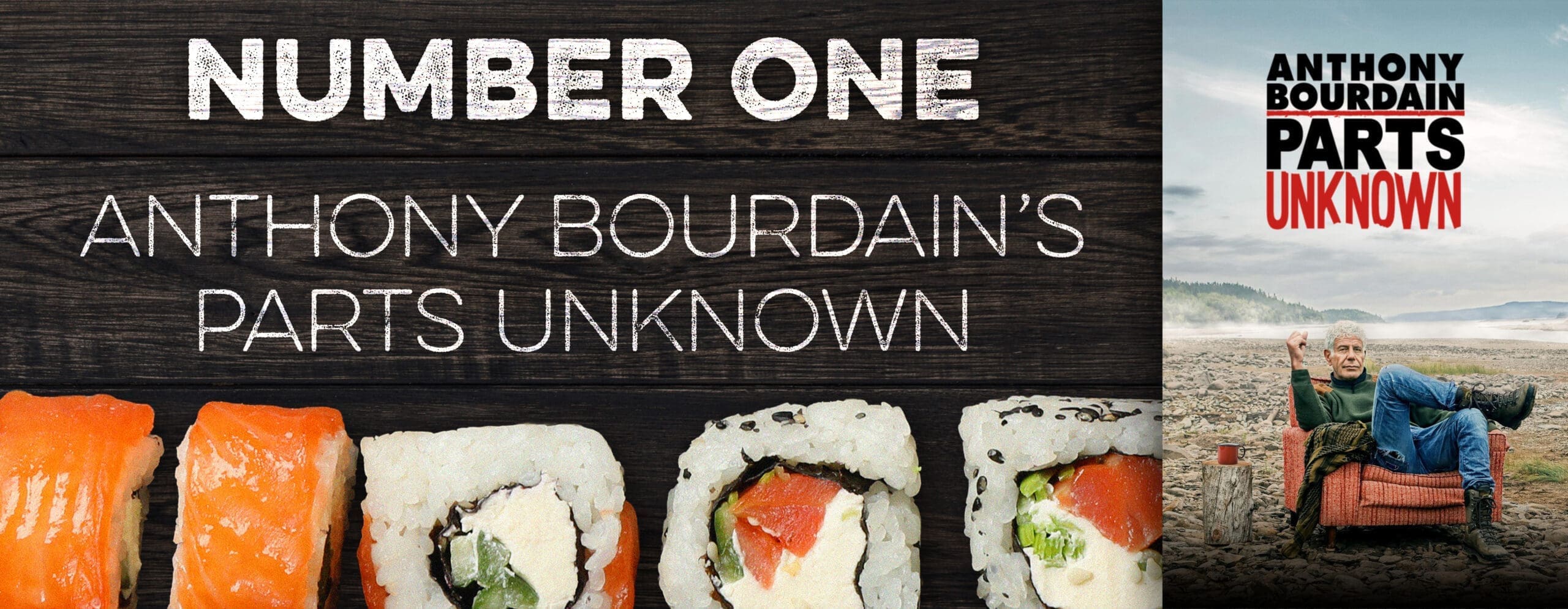
WHAT IT INSPIRED: Exploring culture through the lens of food
I’ve been a longtime fan of Anthony Bourdain’s work, so his death hit me really hard. But in the aftermath of that, I spent a lot of time going back and rewatching his shows, rereading his books, and rekindling that deep sense of curiosity that he instilled me in ever since I first watched No Reservations back in the mid-2000s.
There is a deeply rooted Bourdain influence running throughout A Murder Most Fungal, especially the raw, unfiltered style of his writing/television shows and his gritty exploration of grub (with dirty dive bars getting as much attention as the Michelin star restaurants). But on a more sincere level, Tony taught me what it means to explore and understand a culture through their food; cuisine is a window into individuals and communities, the present and the past, geography, history, language, and so much more. And beyond that, food is an aperture into a person’s heart, allowing the opportunity for two strangers to bond over a delicious meal, and for their conversation while eating to reveal genuine truths about each other.
Whether it’s the travelogue approach of his shows Parts Unknown and No Reservations, or the drug-fueled antics of his autobigraphy Kitchen Confidential, I drew inspiration from all of it for A Murder Most Fungal, using food as a foil for worldbuilding, character development, plot tension, and so much more. Through the eyes (and caps) of my chef protagonist, Pocho Jiro, the fungal people of Neo Kinoko have never felt more alive than they have in this book, and that is in large part thanks to Anthony Bourdain.
Tony always sought out the unknown, and that lesson has never left me. I’ve spent my life seeking out the unfamiliar, and food has been my gateway into the mysterious every time. This one’s for you, Tony. Rest in peace.
WHERE YOU CAN WATCH IT: HBO Max, Hulu, Amazon Prime Video and YouTube
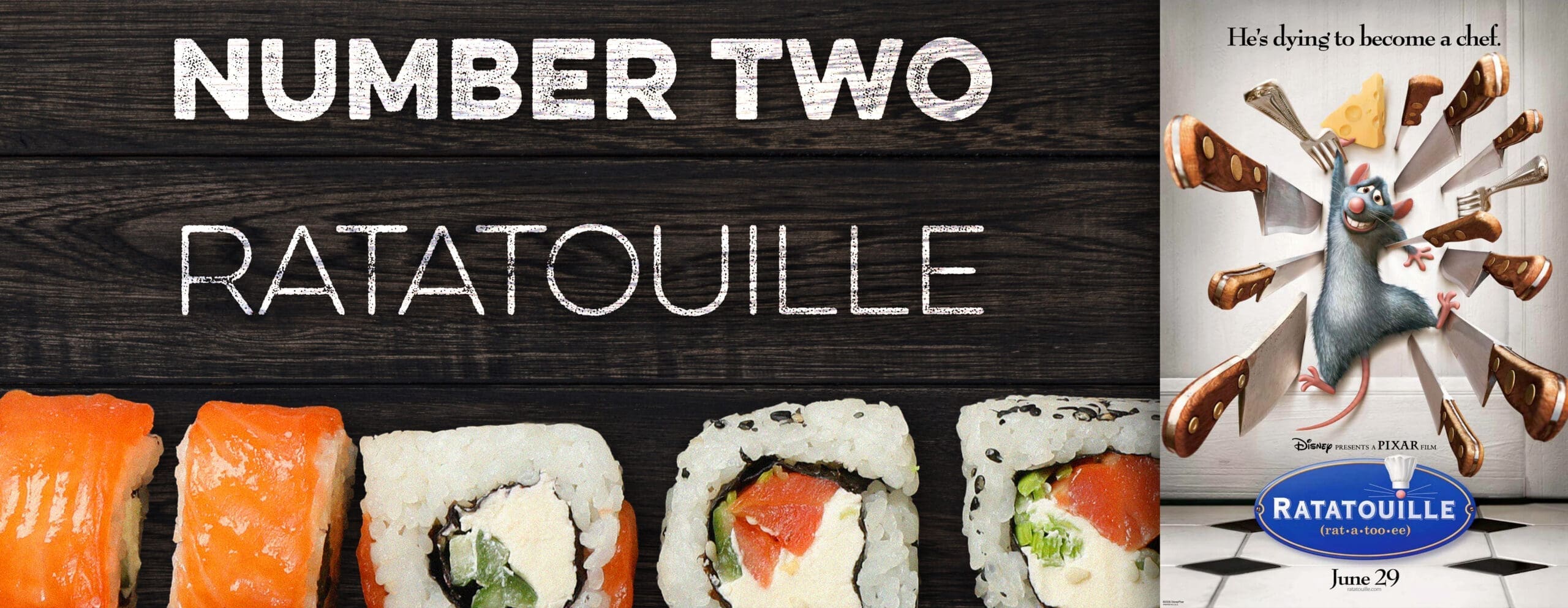
WHAT IT INSPIRED: How to convey the magic of food
Eating is such a multi-sensory experience; it is something you taste, smell, feel, see, and hear. Few things in human life trigger our senses to such a visceral and expansive degree. But when it comes to writing a book, a problem arises: How do you convey something like that on the page, where you only have words to evoke this experience? Enter Pixar’s Ratatouille.
Now, it’s probably a bit odd for an animated kid’s movie to be appearing on a list of inspirations for a dark and violent adult novel, but hear me out! If you’ve ever seen a Pixar film, you know how multi-layered they are—there’s a subtlety to them that hits equally hard for kids and adults. So, in the case of Ratatouille, one of those elements is how it conveys the magic of food. There’s one specific scene that comes to mind, where the main character (a mouse named Remy) is eating a piece of cheese and a strawberry. He bites the cheese, the music picking up and the background transitioning to colorful swirling shapes against a black backdrop. He then bites the strawberry, and different music and shapes cue in. But when he eats them together, the shapes and music that had defined them individually are elevated to a whole other level. It’s such a smart use of the medium to convey how sweet and salty ingredients, when combined, can become something far greater than the component parts.
That scene’s visual and auditory representation of food spoke volumes beyond what the medium was capable of, such that I could truly sense the strawberry and the cheese—I could smell them, taste them, feel their textures in my hands and mouth. It was so evocative and thoughtful, and a major stepping stone for me to feel confident about how to represent food with words in a fictional format. As such, A Murder Most Fungal is all about playing with your senses, aimed at giving you a tactile reading experience that will make you hungry (and disgusted) at every turn.
WHERE YOU CAN WATCH IT: Disney+
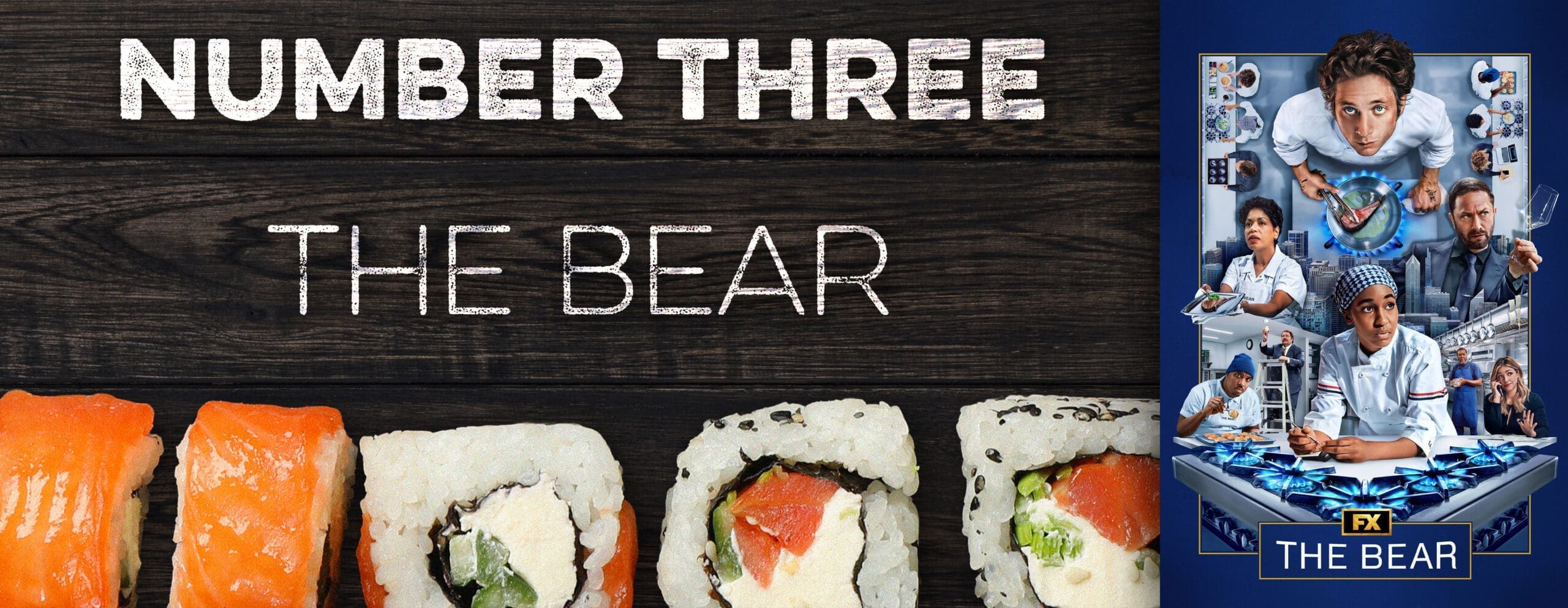
WHAT IT INSPIRED: Drama in the kitchen
If any of you have ever watched the TV show The Bear, there are a handful of words that might pop into your head: anxiety, tense, stressful, loud, chaotic. The show is framed as a comedy-drama, but for me, it leans far more towards the drama side of things. And where does that drama take place? In the restaurant, in the kitchen.
As chef Carmy Berzatto transforms his dead brother’s restaurant into something he deems worthy of praise, it becomes clear that he’s trying to prove wrong all the people that doubted him throughout his career, the people that shit on him and made him feel worthless. But the result of Carmy’s relentless pursuit of proving his worth is a toxic kitchen environment, one rife with explosive arguments and family conflicts and broken plates and burnt dishes.
It was this drama that I channeled for Pocho’s kitchen in A Murder Most Fungal, capturing a sense of discord that makes for compelling narrative tension. And not just fights for the sake of fights, but drama rooted in believable decisions that result in disruptive outcomes. The Bear does this so well (often to the point of discomfort), utilizing its character relationships and the stressful nature of the restaurant setting to amazing effect.
WHERE YOU CAN WATCH IT: Disney+ and Hulu
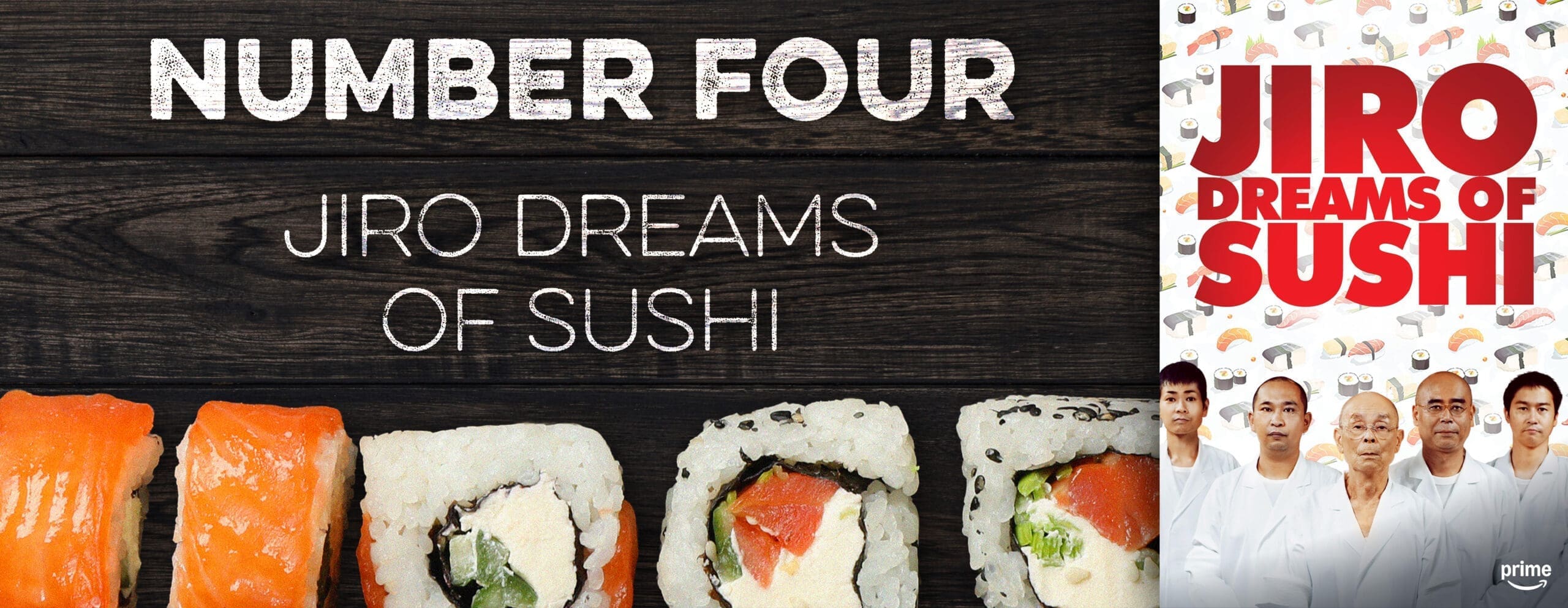
WHAT IT INSPIRED: Intense dedication to a craft
And similar to Carmy in The Bear is Jiro Ono, an 85-year-old master sushi chef, whose restaurant in a Tokyo subway station is a Michelin three-star legend in the culinary world. Jiro Dreams of Sushi is a documentary profiling his life and his professional journey, one that is rife with obsessive creative pursuit, intense familial expectations, and the relentless desire to perfect one’s craft.
There is so much to unpack in this documentary, but it really highlights the highly focused and specialized Japanese work ethic, as well as how a person can become so fixated on that one thing to the detriment of so much around them. Yes, Jiro Ono runs a highly successful and lauded restaurant, but his sons (who study under him as his proteges) must live in the shadow of their father’s achievements. It’s fascinating and heartbreaking at the same time.
So, for A Murder Most Fungal, I wanted to capture this obsessiveness in Pocho, to show what he is capable of achieving, but also what he has sacrificed in order to get there. He has reached incredible highs in his career, yet at the same time, he has committed despicable acts, done things he regrets, forsaken family and friends and relationships in pursuit of his one true love: cooking.
SIDE NOTE: I chose the name Pocho Jiro in honor of the master sushi chef.
WHERE YOU CAN WATCH IT: Netflix and Amazon Prime Video
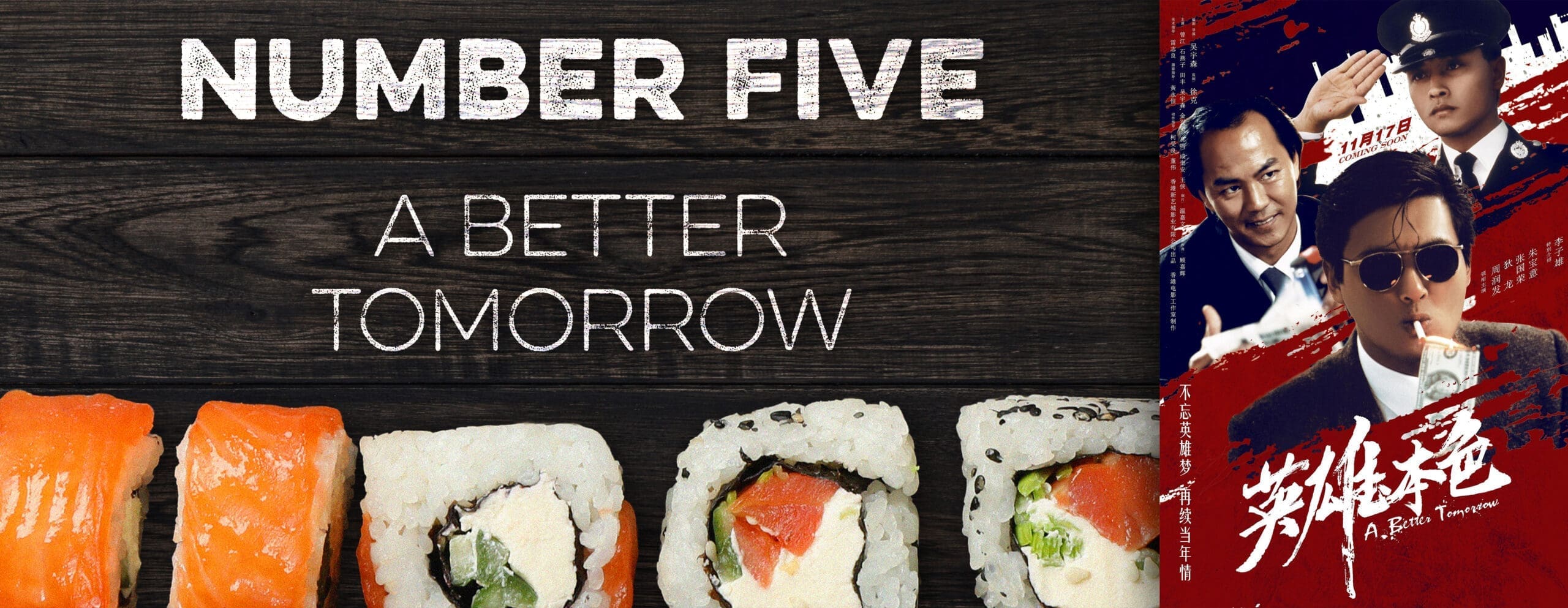
WHAT IT INSPIRED: Criminals and complicated family dynamics
Growing up, I cut my teeth on Hong Kong action films and crime thrillers. Jackie Chan, yes, please! Bruce Lee, let’s go! But my favorite Hong Kong action star was (and still is) Chow Yun-Fat. The John Woo-directed movies that Chow starred in are some of the best that HK cinema has ever produced, and while I have a soft spot for Hard Boiled, my novel drew a lot of inspiration from 1986’s A Better Tomorrow.
Chow plays one of three protagonists, the business partner to a triad gangster (Ti Lung) who’s fresh out of prison, and whose estranged brother is a police officer (Leslie Cheung). Based on that alone, the dynamics are already so complicated, but things get even messier when the gangster is pulled back into the criminal world. On top of that, the entire cast brings such convincing emotion to the high-stakes plot of gangster betrayals, drug trafficking, gun fights, cop drama, and so much more.
Overall, the film does a fantastic job of balancing the personal family drama with adrenaline-inducing actions scenes and tense conversations, such that you’re on the edge of your seat whether shots are being fired or dialogue is being spoken. This is exactly the balance I wanted for A Murder Most Fungal, capturing the hard-hitting criminal elements with my blackmailing fungal gangsters, as well as the complicated family dynamics with Pocho and his sister, Kiko.
WHERE YOU CAN WATCH IT: Tubi TV, Plex, Criterion Channel and Apple TV
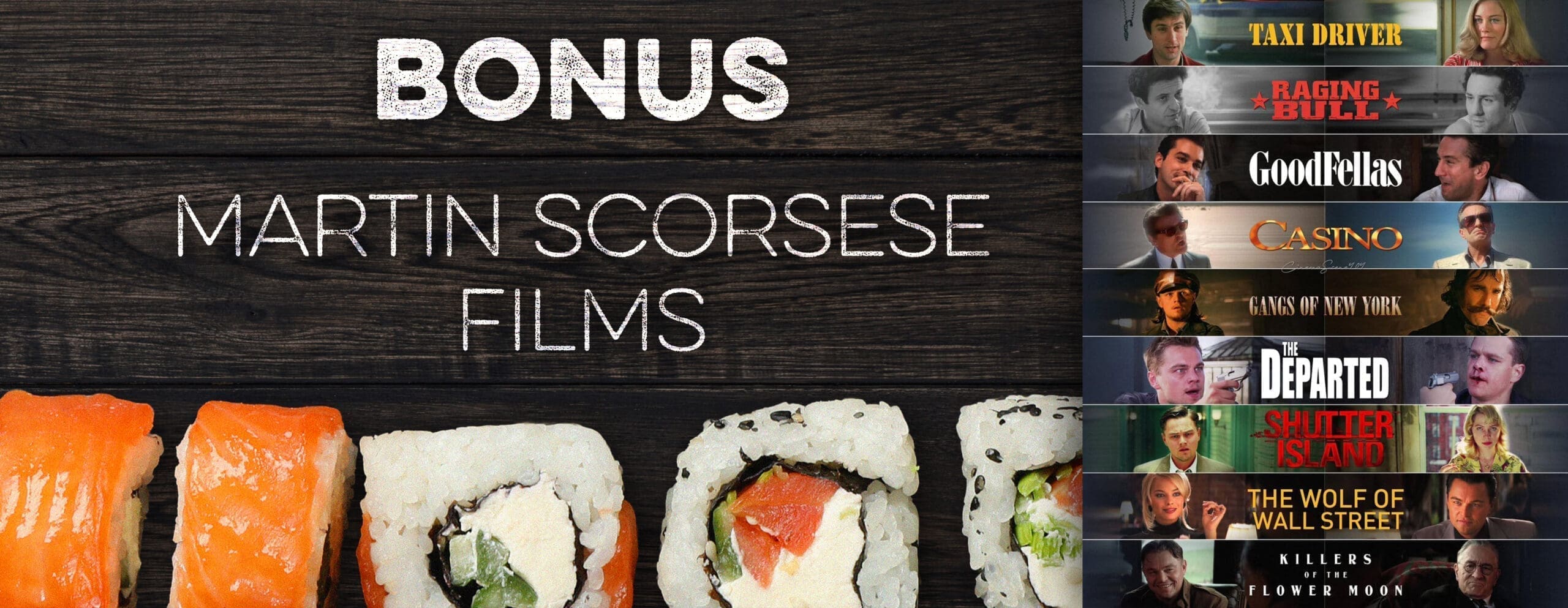
WHAT IT INSPIRED: Tragic protagonists
I adore everything that Martin Scorsese has written and directed, especially his crime thrillers and gangster movies. So, I’m going to offer a cheat here (a little bonus at the end of my list), and share with you my immense appreciation for Scorsese’s filmography and how it has influenced A Murder Most Fungal.
A lot of Scorsese movies tend to focus on tragic heroes (or at least tragic protagonists), and this is a character archetype that I really gravitate towards. My main character in A Murder Most Fungal, Pocho Jiro, is ultimately a tragic hero, which is why I’ve been pitching this book as a “Michelin-starred Tragedy in Six Courses.” And a lot f what I’ve learned about creating relatable-yet-tragic protagonists comes from watching movies like Casino, Goodfellas, The Irishman, The Aviator, Killers of the Flower Moon, Mean Streets, Raging Bull, and more.
On a very broad level, Scorsese’s tragic heroes are deeply flawed people, driven by obsession and hubris and sin. Their downward spirals are a direct result of their own choices and compromises, and even if they try to do things for the right reasons, their decisions (not fate) are what leads to their ultimate downfall. This tragic character/story arc makes them addictive to watch, but also their genuine, flawed humanity gives the average audience the ability to connect and sympathize with those characters.
For example, Howard Hughes in The Aviator is incredibly driven, but his obsessive nature becomes all-consuming, to the point that he compromises his relationships and ethics. Even though he achieves great heights, how much has he sacrificed along the way? This is similar to the relentless drive of Jiro in Jiro Dreams of Sushi, and what inspired me to give Pocho Jiro a similar level of toxic ambition.
Another example is Frank Sheeran from The Irishman, a trucker driver turned hitman for the mob. As his violent story plays out, his friends die around him, and his life choices alienate him more and more from his family, especially his daughter. Pocho’s relationships—with his sister and his chefs, especially—suffer from a similar case of growing violence and alienation, such that Pocho, despite trying to protect those around him, ends up pushing them away.
There are also Shakespearean mind games at play in these films, where trust is shattered, emotions are manipulated, and people who were once close are pushed to the point of betrayal… or worse. The title of my book being A Murder Most Fungal, the Shakespeare inspirations are obvious, but both Shakespeare and Scorsese are masters of tragedy. So drawing upon their works, I made sure to include plenty of heart-wrenching, adrenaline-pumping twists-and-turns within these pages.
Scorsese’s characters are cautionary tales, and he has the uncanny ability to create characters who you both love and despise. Like a train wreck or a car crash, you can’t look away as their decisions spiral into disaster, and I tried my best to capture this in A Murder Most Fungal.
THANK YOU SO MUCH for checking out this list of inspirations, and I hope they’ve convinced you to pick up a copy of A Murder Most Fungal. I also hope you’ll consider watching the films and TV shows that I mentioned, as they’re all really good and well worth your time.
🍄 ABOUT THE AUTHOR 🍣

ADRIAN M. GIBSON is an award-winning Canadian SFF author, podcaster, book designer, and tattoo artist. He was born in Ontario, Canada, but grew up in British Columbia. He studied English Literature and has worked in music journalism, restaurants, tattoo studios, clothing stores, and a bevy of odd jobs. In 2021, he created the SFF Addicts podcast, which he co-hosts with fellow authors M. J. Kuhn and Greta Kelly. The three host in-depth interviews with an array of science fiction and fantasy authors, as well as writing masterclasses.
Adrian has a not-so-casual obsession with mushrooms, relishes in the vastness of nature and is a self-proclaimed “child of the mountains.” He enjoys cooking, music, video games, politics and science, as well as reading fiction and comic books. He lives in Quito, Ecuador with his wife and sons.
Mushroom Blues is his debut novel.
🍄 ‘THE FUNGALVERSE REVIEW’ NEWSLETTER 🍣
Subscribe to Adrian M. Gibson’s mailing list to receive a monthly newsletter featuring the latest happenings in Adrian’s life, writing updates, events and podcast appearances, the newest episodes of SFF Addicts podcast, original art, special promos and more! SIGN UP HERE.
🍄 SOCIAL LINKS 🍣
- Instagram: @adrianmgibson
- Threads: @adrianmgibson
- X: @adrianmgibson
- Bsky: @adrianmgibson.bsky.social
- Website: https://www.adrianmgibson.com/
- Newsletter Signup: https://www.adrianmgibson.com/newsletter
- Book Design: https://www.adrianmgibson.com/book-design


Leave a Reply