


Synopsis
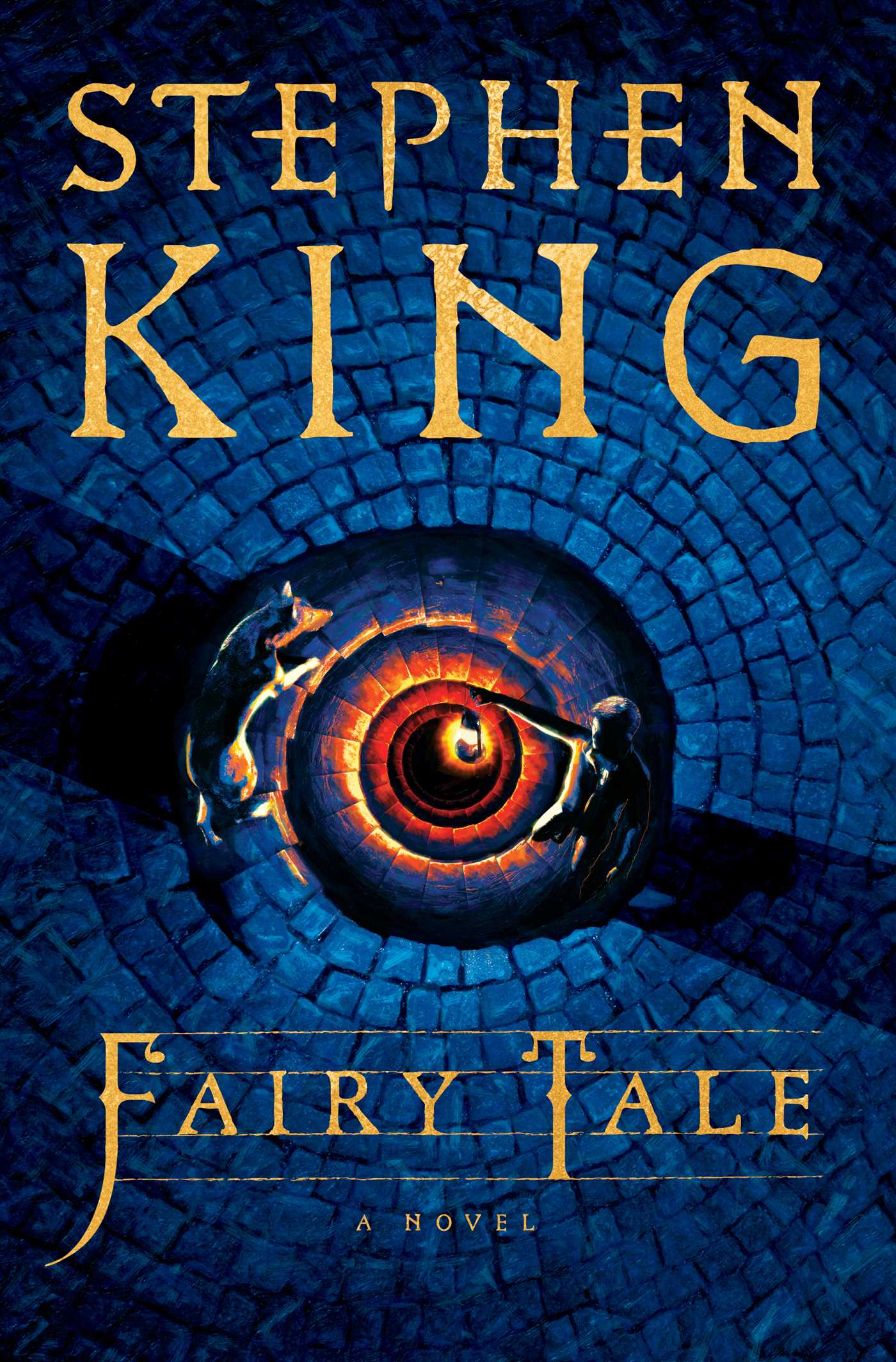
Charlie Reade looks like a regular high school kid, great at baseball and football, a decent student. But he carries a heavy load. His mom was killed in a hit-and-run accident when he was ten, and grief drove his dad to drink. Charlie learned how to take care of himself—and his dad. Then, when Charlie is seventeen, he meets Howard Bowditch, a recluse with a big dog in a big house at the top of a big hill. In the backyard is a locked shed from which strange sounds emerge, as if some creature is trying to escape. When Mr. Bowditch dies, he leaves Charlie the house, a massive amount of gold, a cassette tape telling a story that is impossible to believe, and a responsibility far too massive for a boy to shoulder.
Because within the shed is a portal to another world—one whose denizens are in peril and whose monstrous leaders may destroy their own world, and ours. In this parallel universe, where two moons race across the sky, and the grand towers of a sprawling palace pierce the clouds, there are exiled princesses and princes who suffer horrific punishments; there are dungeons; there are games in which men and women must fight each other to the death for the amusement of the “Fair One.” And there is a magic sundial that can turn back time.
Review
The first half of Fairy Tale is Stephen King at his most magnetic. He builds a world steeped in mystery and suspense, grounding it with the kind of masterful characterization and vivid description that has defined his career. You settle into the story with ease, drawn in by a setting that feels both familiar and strange, and by characters who feel genuinely alive on the page. King has always been exceptional at making you care before the danger arrives, and here that skill is on full display.
Where the novel shifts is in its second half, when the story leans into a chosen one narrative that doesn’t feel entirely earned by what came before. The transition can be a little jarring, and some of the authenticity that made the first half so compelling gets lost in the pivot. It’s a tonal change that may work for some readers and disconnect others.
That said, King’s exploration of classic Grimm fairy tale logic adds a genuinely intriguing layer to the story. There’s a playfulness in how he weaves those familiar archetypes and narrative structures into a modern framework, and readers who love seeing those old tales reinterpreted will find a lot to appreciate here. It’s a bold creative choice, and even when it doesn’t land perfectly, you can feel King enjoying himself, which counts for something.
What never wavers is King’s ability to craft a compelling, immersive narrative. The world he builds is rich and strange, the kind of place you want to wander through even when the path gets uneven. Fairy Tale may not be his tightest work, but it’s a testament to his enduring talent for pulling readers into worlds they don’t want to leave. The first half alone is worth the journey, and the novel as a whole delivers an entertaining experience that will leave you thinking about the depths of Fairy long after you’ve closed the book.


Leave a Reply