
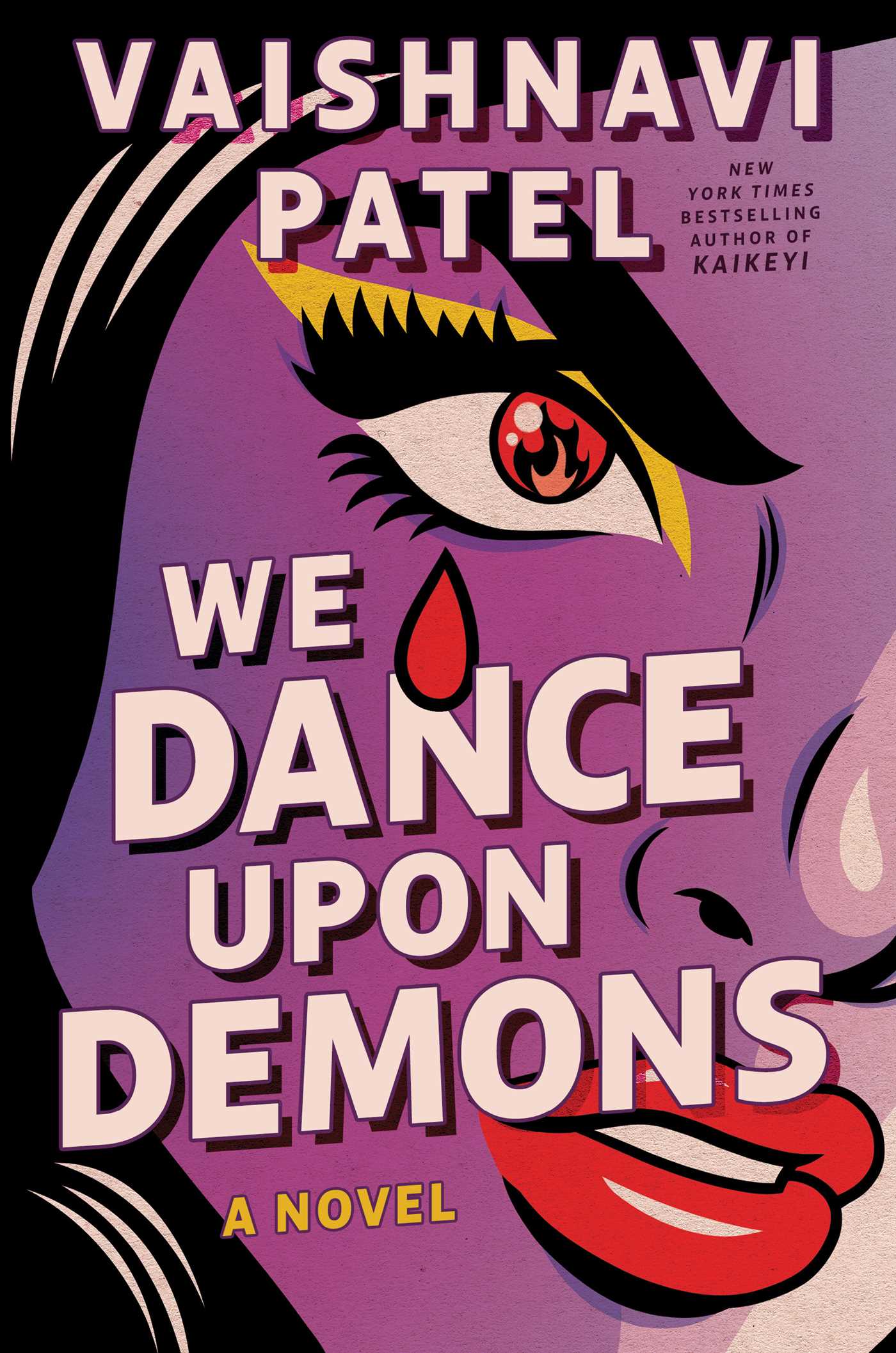





Synopsis
From the New York Times bestselling author of Kaikeyi, a galvanizing stand-alone contemporary fantasy following a burnt-out reproductive health care worker as she fights back against escalating attacks on her clinic and the malevolent forces in hot pursuit of her newly acquired power.
As a reproductive health care worker in Chicago, Nisha is barely staying afloat in the ocean of abortion bans, screaming protestors, and her own all-consuming depression.
When she escapes to the Indian art exhibit at her favorite museum for a brief respite, Nisha suddenly finds herself bleeding, disoriented, and collapsed on the ground. The last thing she remembers is the statue that beckoned her to touch it. In the days that follow, Nisha feels a strange power coursing within her, one that attracts a host of dangerous and enigmatic characters who covet it for themselves.
Facing threats both otherworldly and distinctly human, Nisha must navigate uncertain alliances to piece together the centuries-old mystery of her odd and terrifying abilities. And as danger closes in on her loved ones, community, and the clinic she’s determined to protect, Nisha must make a choice about the life she wants—and fight all the demons standing in her way to get it.
Review
“Demons don’t behave like that. They don’t work for corporations, and they don’t keep their promises.”
This was truly a great read. A very intense and important book that will help expand the reader’s empathy, and understanding of the struggles reproductive healthcare workers are facing today. It also has a lot of Indian history, art, and dance mixed in. I’m absolutely going to be picking up more of Patel’s books later this year.
Right from the very first page, it’s easy to fall in step with the main character Nisha. I mean who wouldn’t love a character depressed with herself, and the world at large, waking up late and rushing to work. The contemporary setting grounds this fantasy story and brings Nisha to life. I fully believe there are many real-life Nishas in our midst. She is so real and she is dealing with SO much in this book.
The biggest highlight for me is how much research has been undertaken and how extraordinarily well put it is. Because of the research and first-hand experience that the author possesses, the reader is able to get a very deep look at all the factors surrounding abortion clinics – the different types of people that come to the clinic, the different types of care being provided there, and the different types of problems that arise around specific times. It also explores the various arguments against abortion from different angles. When I say extraordinarily well put, I mean the balance Patel has struck while dealing with all these heavy topics with depth while also not interrupting the flow of the story she wants to tell. It also sincerely doesn’t feel preachy and makes its case very logically. While discussing Patel’s writing strengths, I also have to mention that not only is she able to evoke affective empathy towards sadness but there is a community-based intervention scene that gave me so much warmth and hope.
There are some hurdles I did encounter in the book as well. The interludes were very nice and I loved seeing Nisha interact and learn from the past stories but after the halfway mark, it started hampering the plot progression. The supernatural and fantasy elements of the story also felt disjointed and the ending was definitely rushed. It didn’t affect my reading experience too much because I was hooked to Nisha’s journey and all the new stuff I was learning about, but it might affect readers wanting more fantastical stuff.
Overall, it’s still a very good reading experience and deals with the complex roadblocks that stand in the way of doing good on a wide scale and asks the question if local, direct action oriented approaches can successfully effect change? It is definitely a book that will linger with you long after you have turned the last page.


Leave a Reply