
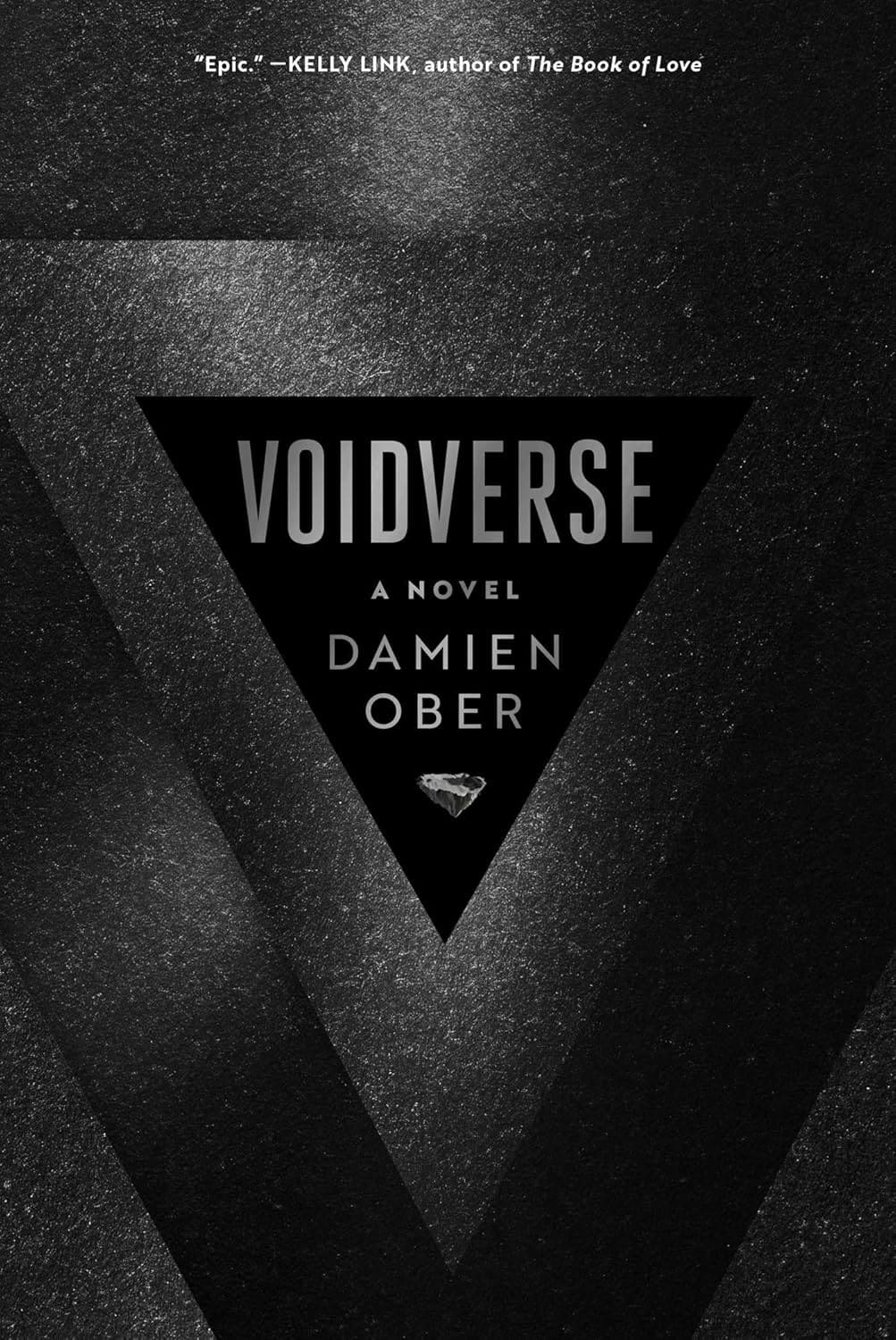




Synopsis
Dune meets Wool in this high-octane quest through the void, where two eternal forces are about to collide in an epic showdown.
A HALF-FORMED UNIVERSE.
A POWERFUL ANOMALY.
A POEM THAT IS PROPHECY.
When the Sinker was a child, all she knew was violence. To survive, she fled into the Void—a seemingly infinite nothingness where people live on “rocks,” individual lands spread out in all directions, floating in the vast empty space. Some rocks are giant magnets, others burn with eternal flame, and some are influenced by seemingly magical anomalies with such great powers that evil forces would stop at nothing to possess them. And while most are afraid of traveling through the Void, the Sinker is not. With a sword on her back, she speeds through the darkness, running from a past that is quickly gaining on her.
Emery only knows the comfort of Fairviel, but when her son falls ill and the Sinker arrives on her doorstep, she ventures into the Void in search of a cure. When she returns, Fairviel is destroyed. With no home, Emery begins to sink, chasing a recurring dream that feels bigger than a dream, that feels like the key to everything.
But they are not alone in the Void. Mercenaries rise and fall around them, princes and kings guard their kingdoms, and a great machine fuels its ascent by consuming all in its path. With the Void destabilizing, Emery and the Sinker find themselves at a turning point in history, a moment when everything could collapse or realign, and the only thing that may save them exists at the bottom of it all. Or so legend says…
Review
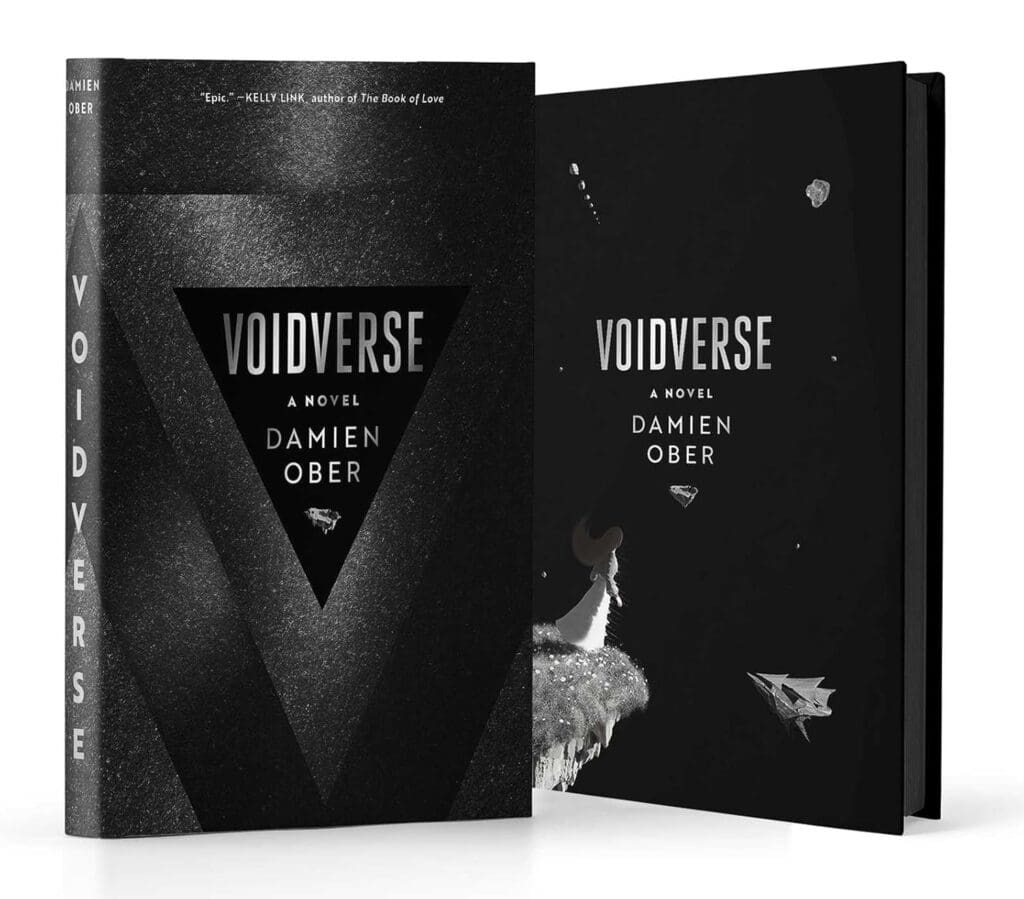
A huge thanks to Saga Press for the physical arc. The hardcover with its naked artwork and sprayed edges is a real treat.
I requested this one off the blurb and the fact that it said the author was a writer for Netflix’s The OA series. Not only was I a fan, and it was canceled before its time, but it was also filmed in my high school and the new neighborhood that bordered it, which is a super cool thing to have happen.
A poem on an old rock speaks of a second coming. The sink is filled with floating rocks, clinging to gravity out of the endless friction in the sink. For many, there is only the concept of rising, of bettering themselves, but it is also based on fear. The Sinker has no such fear, and has sank further than many thought possible. If others are so afraid to sink, then next to no one is bringing information back and forth, leaving untold knowledge below. And that just might be important to what’s coming.
I will say off the rip that I think a book with this many terms created in-world has got to come with some sort of index. Maybe because I got it early, it didn’t have it, so maybe that’s a me problem, but I just really hope it includes it. Things like “the sink” and the idea of people being “sinkers” or “risers” were pretty easy to pick up on, but there were others I would have liked to have an idea of. Again, that may be a me thing, but when a book—especially one with worldbuilding like this—has that many terms (I’m bringing to mind Toothsucker by Kaden Love) I’d personally read through the key first.
This book is certainly original. Worldbuilding unlike anything I’ve ever read, and I don’t think it can be mimicked either. The idea that right off the edge of your existence is an endless “world,” that all you have to do is take the leap, is really something special. I liked the idea of the sink just being this endless friction between spaces, where people could train on how to traverse it. It is a void much like outside our planet, yet it is unlike space. And while many may wear special uniforms to help with friction, it’s not really like being an astronaut or anything. Each rock has its own way to get by, to survive the void, and with so many staying put, they have different cultures and “codes” too. It was a bit hard to picture at first, but the idea itself leaves this really lush, lived-in feel where one rock can be farmers, the next gladiators.
The characters really shine too. The author has put together a cast that you really can grow to care for. If he was a part of the character growth on The OA, then I can really see why it’s so good. The Sinker, while only going by a moniker, is anything but a caricature. She’s complex with a harsh past, a driven story. She is pushed by anger and yet helps people over and over. She’s compelling, and likewise, those she comes into contact with become the same as well. The Construct, a hulking amalgamation of rock, outcroppings, add-ons, and engines, is this wonderfully imaginative space. Led by the Garent, a seemingly ageless man with a fantastic winter wardrobe, and home to a disgusting set of insects. Hiram Goegal, who has probably my favorite name ever (and I loved the fact that he was called his full name almost every time) is also a great character. Technically part of the “villains,” perhaps, but truly thinks he’s on the path of doing what’s right.
Fascinating and unique, this meshing space sci-fi and fantasy into its own little new sub-genre. A bit of a slow start, but by the end, you’ll be begging for book two.


Leave a Reply